
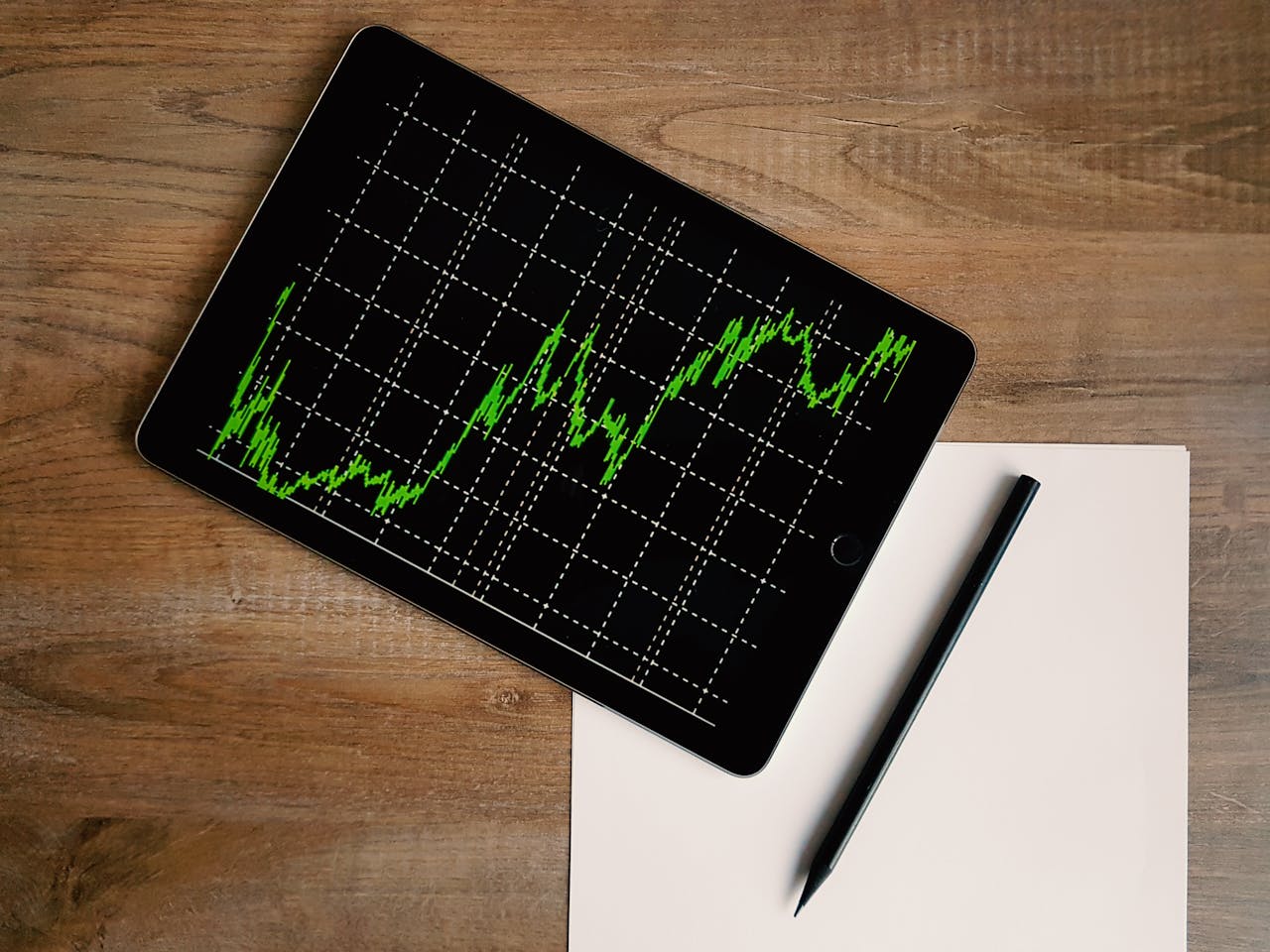
Trading psychology dictates market success just as much as technical analysis or charts. Ultimate profitability relies mainly on a trader’s ability to master their emotions, manage risk, and stay disciplined when the market gets volatile.
Fear, greed, overconfidence, and FOMO (Fear of Missing Out) often influence trading decisions, potentially leading to costly mistakes. Traders who cultivate emotional control and adopt a disciplined approach are generally better equipped to navigate unexpected market conditions.
In this article, we will explore key concepts of trading psychology, the common emotional challenges faced by traders, and practical strategies for enhancing decision-making and trading discipline to achieve more consistent performance in the market.
What is Trading Psychology?
Trading psychology refers to the mental and emotional factors that influence traders’ decisions in financial markets. It focuses on how emotions, mindset, habits, and behavioural patterns impact buying and selling transactions during the trading process.
This encompasses areas such as maintaining emotional control amidst profits and losses, managing stress under market pressure, avoiding cognitive biases, and making rational decisions in uncertain situations. Failure to control emotions, such as fear, greed, or overconfidence can lead to losses, even for traders who possess excellent technical knowledge.
Good trading psychology keeps you disciplined and consistent, protecting your decisions from sudden market swings.
How to Improve Your Trading Mindset
Building a strong trading mindset doesn’t happen overnight, it takes steady practice, discipline, and constant self-awareness. To survive market swings, you must build habits that keep you calm, focused and emotionally grounded.
1. Establish a Consistent Routine Before the Market Opens
Creating a structured routine before the market opens can help traders mentally prepare for the trading day ahead.
- Start the day with calming activities, such as meditation or breathing exercises.
- Review your trading strategy and daily risk limits before entering any trades.
- Analyse key market news and upcoming events to stay prepared for potential market volatility.
- Assess your emotional state before trading; if your mindset feels unstable, avoid placing large trades.
2. Monitor Your Emotions While Trading
Maintaining emotional control while actively trading is absolutely crucial.
- Trade as usual only when you feel calm and disciplined.
- If emotions begin to influence your decision-making, reduce the size of your trades.
- Temporarily pause trading during moments of anger, fear, stress, or overconfidence.
- To avoid impulsive actions, pause briefly and take a deep breath before initiating or closing any trade.
3. Regularly Review Your Trading Behavior
Post-market analysis helps traders identify their mental strengths and weaknesses.
- Maintain a trading journal to record trades, emotions, and decision-making patterns.
- Carefully analyse your mistakes to determine whether they stemmed from poor analysis or from emotional reactions.
- Track the moments where discipline and patience contributed to improved trading performance.
Developing a strong trading psychology takes time, but consistent emotional control and disciplined habits can lead to significant improvements in long-term trading performance.
Frequently Ask Questions
1. Why is trading psychology important?
Because emotions directly affect decision-making. Even a profitable strategy fails without discipline and emotional control.
2. Can beginners master trading psychology?
Yes. By maintaining a journal, following strict risk rules, and practicing self-control consistently.
3. Is trading psychology more important than strategy?
Both are important, but psychology determines whether you can execute your strategy consistently.
4. How long does it take to develop trading discipline?
It depends on practice, but consistent journaling and risk control can show improvement within months.
Conclusion
Trading psychology is one of the most critical factors underpinning consistent success in trading. While technical analysis and trading strategies aid in identifying opportunities, it is emotional control and disciplined decision-making that finally determine how effectively those opportunities are capitalized upon.
If not properly managed, emotions such as fear, greed, overconfidence, and impulsive behaviour can have a detrimental impact on trading performance. Traders who adhere to a well-structured plan, practice risk management, and maintain emotional discipline are generally better equipped to navigate the uncertainties of the market.
Improving one’s trading psychology is a continuous process that demands patience, self-awareness, and ongoing learning. By cultivating the right mindset and consistently maintaining disciplined trading habits, traders can make decisions with greater confidence and enhance their long-term performance within the financial markets.
Disclaimer
This article is for educational purposes only and not financial advice. I am not a SEBI-registered advisor. Please consult your financial advisor before investing.
If you have any questions, feel free to contact us.
Thank you for visiting our StockTrades Blog.

Mrunmay is a Data Analytics enthusiast with a background in Software Engineering and Machine Learning. He has completed professional training in SQL, Python, Data Analysis and ML and has worked on multiple data-driven projects. With a strong interest in stock market analysis and technical trading strategies, he focuses on simplifying complex market concepts into practical and easy-to-understand guides for traders.
Note: The information shared is for educational purposes only and not financial advice.