
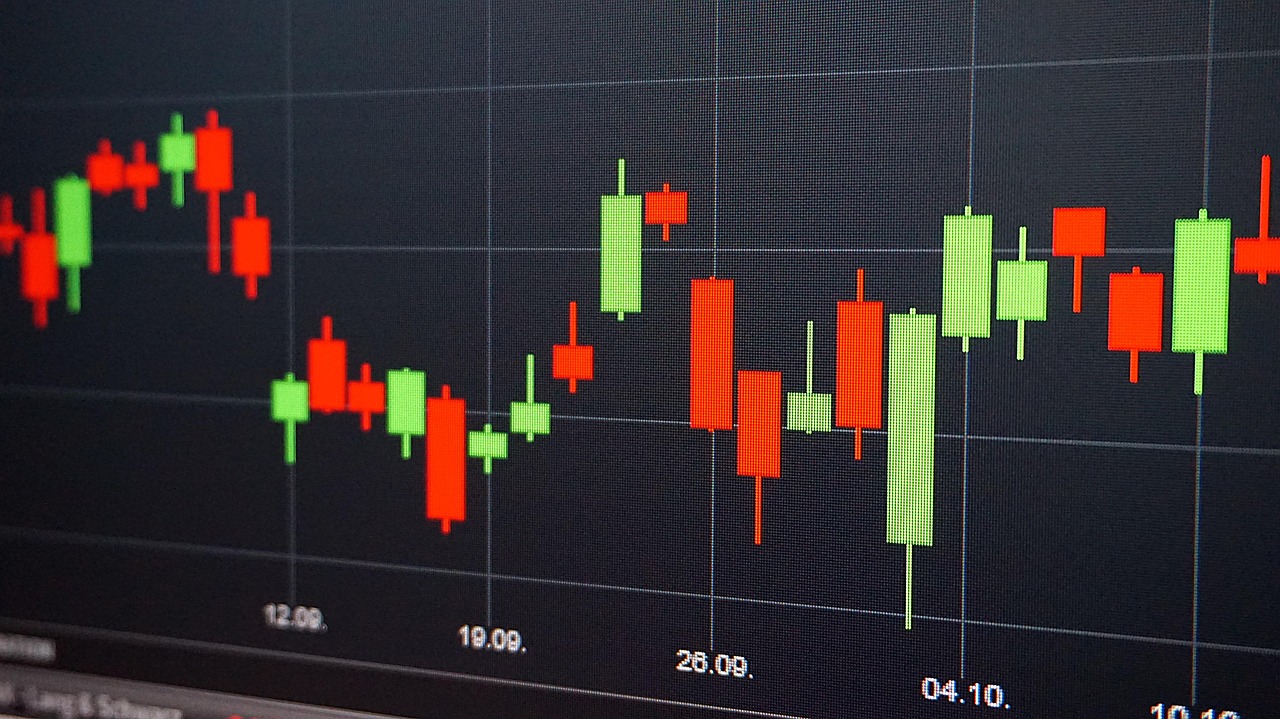
Technical indicators are powerful tools that help traders understand price movements and make smarter trading decisions. For beginners, indicators can simplify complex charts and provide clear signals. In this guide, you will learn the best technical indicators for beginners and how to use them in a simple and practical way.
What Are Technical Indicators?
Technical indicators are mathematical calculations based on:
- Price
- Volume
- Market momentum
They are used to analyse stock charts and predict potential future movements. Indicators do not guarantee profits, but they help improve decision-making when combined with proper risk management.
If you want to know about Risk Management go to our https://stocktrades.blog/risk-management/ page
Why Beginners Should Use Indicators
For new traders, indicators help:
- Identify trend direction
- Spot entry and exit points
- Avoid emotional trading
- Confirm trading signals
- Improve overall accuracy
However, using too many indicators can create confusion. Keep it simple.
Top 5 Best Technical Indicators for Beginners
1. Moving Average (MA)
Moving Average is one of the simplest and most effective indicators.
It shows the average price over a specific period, such as:
- 20-day MA
- 50-day MA
- 200-day MA
How to use it:
- Price above MA → Uptrend
- Price below MA → Downtrend
Moving averages help identify trend direction clearly.
2. Relative Strength Index (RSI)
RSI measures momentum and ranges from 0 to 100.
Above 70 → Overbought (possible reversal)
Below 30 → Oversold (possible bounce)
RSI helps traders identify potential turning points.
3. MACD (Moving Average Convergence Divergence)
MACD is a trend-following momentum indicator.
It consists of:
- MACD line
- Signal line
- Histogram
When MACD crosses above signal line → Bullish signal
When MACD crosses below signal line → Bearish signal
MACD helps confirm trend strength.
4. Volume
Volume shows the number of shares traded.
High volume = Strong price movement
Low volume = Weak movement
Volume is important for confirming breakouts and trend reversals.
5. Bollinger Bands
Bollinger Bands measure market volatility.
They include:
- Middle line (Moving Average)
- Upper band
- Lower band
When price touches upper band → Possible overbought
When price touches lower band → Possible oversold
Bollinger Bands help understand volatility and price range.
How to Use Indicators in a Simple and Profitable Way
Follow these beginner-friendly rules:
- Use only 1–2 indicators at a time
- Combine trend indicator + momentum indicator
- Always confirm with volume
- Never trade without stop loss
- Focus on risk management
Indicators support your strategy — they do not replace discipline.
Frequently Ask Questions
Which is the easiest indicator for beginners?
Moving Average and RSI are the easiest and most beginner-friendly indicators.
Can indicators guarantee profit?
No. Indicators provide signals, but risk management and discipline are essential.
How many indicators should beginners use?
1–2 indicators are enough to avoid confusion.
Conclusion
Technical indicators can make trading easier and more structured for beginners. By understanding tools like Moving Average, RSI, MACD, Volume and Bollinger Bands, you can improve your trading accuracy. Start simple, practice regularly and always combine indicators with proper risk management to build long-term success.
Disclaimer
This article is for educational purposes only and not financial advice. Stock market investments are subject to market risks. Please conduct your own research before trading.
If you have any questions, feel free to contact us through our https://stocktrades.blog/contact-us-stocktrades/ page.
Also Thank you for visiting https://stocktrades.blog/ and being a part of our learning community.

Mrunmay is a Data Analytics enthusiast with a background in Software Engineering and Machine Learning. He has completed professional training in SQL, Python, Data Analysis and ML and has worked on multiple data-driven projects. With a strong interest in stock market analysis and technical trading strategies, he focuses on simplifying complex market concepts into practical and easy-to-understand guides for traders.
Note: The information shared is for educational purposes only and not financial advice.