
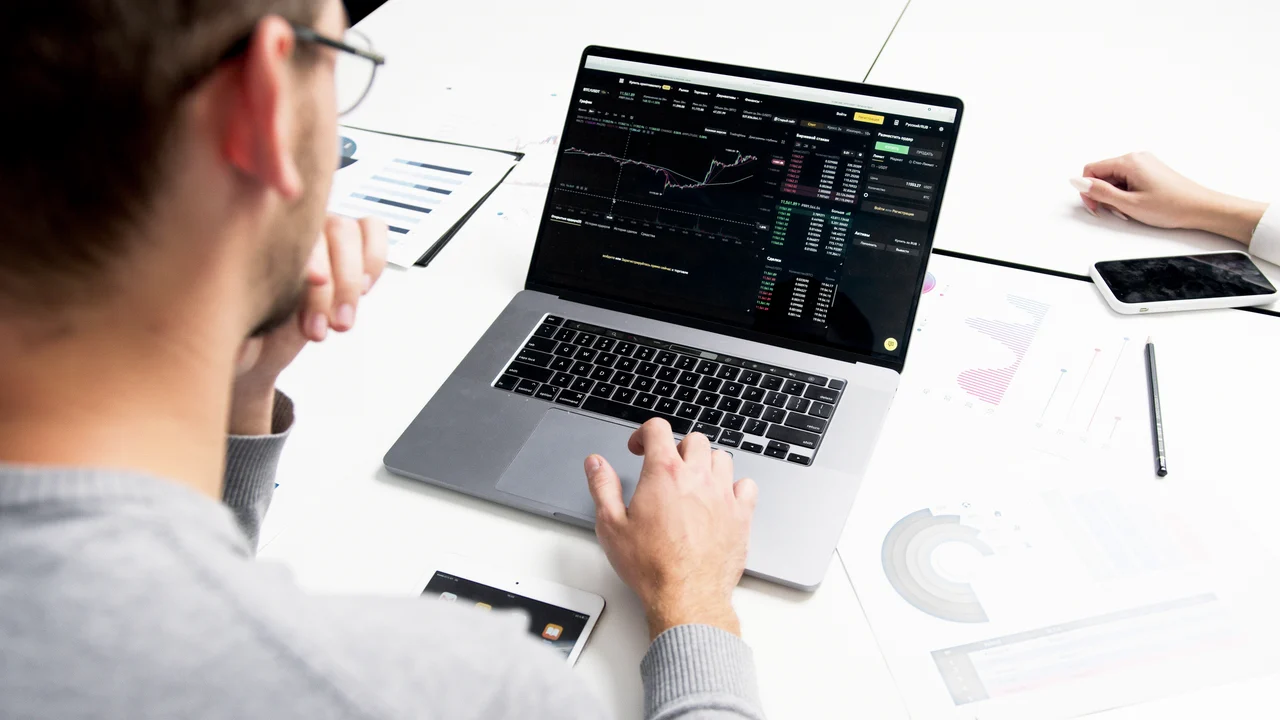
Scalping is a short-term trading strategy where traders try to profit from small price movements within a very short time. Instead of waiting for major market trends, scalpers place multiple trades during the day to capture quick gains from minor price fluctuations.
This trading style mainly depends on technical analysis, fast trade execution and disciplined decision-making. Since scalping focuses on small profits from frequent trades, proper risk management and timely exits are important to control losses.
Although scalping can create opportunities for regular profits, especially with leverage, it also involves high risk because of rapid market movements and constant trading activity.
What is Scalping Trading?
Scalping is a high-speed trading method in which traders attempt to profit from very small price movements in financial instruments such as stocks, currencies, or derivatives. Rather than holding positions for extended periods, scalpers typically enter and exit trades within just a few seconds or minutes to secure quick profits.
The primary objective of this strategy is to accumulate numerous small profits throughout a single trading session. Scalping is commonly employed in highly liquid markets, such as intraday stocks, Forex, and options trading, where rapid price fluctuations and immediate order execution frequently generate trading opportunities.
Unlike swing trading or long-term investing, scalping does not rely on major market trends or significant price swings. Instead, traders focus on short-term momentum, precise timing and disciplined execution to capitalize on minor market fluctuations.
How Scalping Trading Works
In scalping trading, the focus is on capitalizing on small price movements by executing numerous trades within extremely short timeframes. Traders typically utilize large position sizes to take advantage of minor price fluctuations that occur over a span of just a few seconds or minutes. The primary objective is to enter and exit trades rapidly, accumulating frequent small profits throughout a trading session.
Scalpers typically buy or sell securities at specific price levels and close their positions immediately after the price moves slightly in their favour. Since this strategy relies heavily on speed and frequent execution, most trades are conducted during standard intraday market hours.
In scalping, the holding period for a position can range from a few seconds to several minutes, and traders generally avoid holding positions overnight. Rapid decision-making, discipline and strict adherence to a trading plan are essential, as market conditions can change very quickly.
Successful scalpers must also remain flexible. If a trade begins to move against expectations, they must react immediately and exit efficiently to control losses and protect their trading capital.
Effective Tips
- Rapid trade execution is crucial in scalping trading. A reliable platform and a stable internet connection help in avoiding delays.
- Frequent trading can lead to increased brokerage fees and transaction costs. Choosing a low-cost broker can help maximize profits.
- Monitoring short-term market trends helps traders identify favourable trading opportunities.
- Technical indicators and chart analysis assist scalpers in making quick trading decisions.
- High liquidity facilitates smoother entry and exit during trades.
- Discipline is essential in trading; traders should adhere to their strategies and avoid making emotional decisions.
Tools for Scalping Trading
Scalpers utilize a variety of tools to respond swiftly to short-term opportunities within the market. Real-time market data enables traders to track price movements instantly and make rapid decisions.
Many traders prioritize low-latency brokers, as they facilitate fast trade execution with minimal delay. A fast and reliable trading platform is also important for efficiently executing and managing trades.
Scalpers often employ one-minute charts or tick charts to closely monitor short-term price movements. Features such as hotkeys, customizable layouts and instant order execution help traders operate more effectively in rapidly changing markets.
Some traders also utilize automation tools and trading algorithms to monitor the market and execute rapid trades while minimizing emotional decision-making.
Advantages
- Scalping creates numerous trading opportunities throughout the day by capitalizing on small price movements.
- You can utilize automation tools and technical software to facilitate rapid trade execution.
- This strategy can perform well even in sideways or range-bound market conditions.
- You can generate quick and consistent profits from short-term market fluctuations.
- Since positions are held for short durations, the risk associated with sudden, long-term market shifts is reduced.
- Scalpers typically close their trades on the same day, thereby minimizing overnight market risk.
Disadvantages
- Frequent trading can lead to increased brokerage fees, taxes and other transaction costs.
- Many traders utilize ‘leverage’ while scalping, which can significantly heighten the overall trading risk.
- Due to rapid market movements and the continuous nature of the trading activity, scalping can prove to be a stressful endeavour.
- Successful scalping requires constant market surveillance and the ability to make split-second decisions.
- Since profit margins are typically slim, even minor errors can result in substantial financial losses.
- To scalp effectively, you require high-speed trading platforms, real-time market data and reliable trade execution tools.
Frequently Asked Questions
1. Can traders make a profit through scalping?
Yes, when traders adhere to a disciplined strategy and manage risk appropriately, profits can be generated from scalping. Scalpers typically focus on accumulating numerous small profits from frequent trades.
2. Is scalping trading profitable?
Scalping can be profitable for experienced traders; however, due to rapid market movements and high trading frequency, it also carries a high level of risk.
3. Is scalping suitable for beginners?
Scalping is generally considered challenging for beginners, as it requires rapid decision-making skills, market experience and strong emotional control.
4. How much capital is required for scalping?
The required capital depends on the trader’s strategy, the specific market, and the frequency of trading. Traders should possess sufficient funds to manage multiple open trades and to cover brokerage fees and transaction costs.
5. What tools are essential for scalping trading?
Scalpers typically utilize trading platforms that provide real-time market data, rapid order execution capabilities, charting software and technical indicators. A stable and high-speed internet connection is also crucial for executing trades smoothly.
Conclusion
Scalping is a high frequency trading style where you pull quick profits from tiny price moves by getting in and out of dozens of trades a day. It requires the ability to make split-second decisions, strict discipline, proficiency in technical analysis, and the capacity to react rapidly to changing market conditions.
While scalping offers frequent trading opportunities, it also entails higher risk and necessitates constant market surveillance. Traders who adhere to a sound strategy, strictly observe risk management protocols, and maintain emotional control are best positioned to succeed in this trading style.
For beginners, it is crucial to grasp the fundamental principles of scalping and cultivate disciplined trading habits before undertaking significant capital risk. With consistency, patience and the right mindset, scalping can prove to be a highly effective strategy for those who actively participate in the market.
Disclaimer
This article is for educational purposes only and not financial advice. I am not a SEBI-registered advisor. Please consult your financial advisor before investing.
If you have any questions, feel free to contact us.
Thank you for visiting our StockTrades Blog.

Mrunmay is a Data Analytics enthusiast with a background in Software Engineering and Machine Learning. He has completed professional training in SQL, Python, Data Analysis and ML and has worked on multiple data-driven projects. With a strong interest in stock market analysis and technical trading strategies, he focuses on simplifying complex market concepts into practical and easy-to-understand guides for traders.
Note: The information shared is for educational purposes only and not financial advice.